
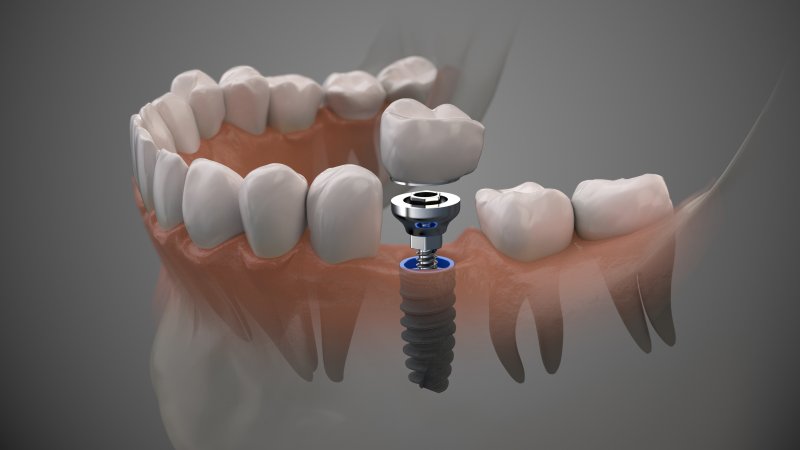
The success rate for dental implants at initial placement is around 90%. This is good news for anyone considering these titanium prosthetics to replace their missing teeth. However, although the chances are rare, dental implants can fail. How can you know if this is your situation? What should you look for? Keep reading to learn more about the signs and when you should seek help.
How Can Dental Implants Fail?
Dental implants can fail for several reasons:
- Failed osseointegration: If your implants do not fuse with the jawbone, this can lead to failure, as they must achieve optimal stability to fully support your new teeth.
- Dental trauma: If you sustain a facial injury that causes harm to your dental implant, it may crack, be knocked out, or become loose.
- Peri-implantitis: If you develop an infection in the gum tissue surrounding your dental implant, it can cause pockets to form, eventually attacking the bone holding your implant post in place.
- Unhealthy habits: Smoking, chewing on inanimate objects, eating ice, and other similar habits can lead to dental damage and a suppressed immune system, which can cause implant failure.
What Signs Indicate Dental Implant Failure?
You may not realize you are experiencing dental implant failure until you see your dentist; however, some signs can help you identify the problem earlier, so you receive timely care.
Keep an eye out for:
- The implant feels loose
- You feel pain around the implant
- Swelling occurs around the implant
- Infection
- Receding gums
- Difficulty chewing
When Should You See Your Dentist?
Once you notice any of the above-mentioned signs, do not wait to schedule an appointment with your dentist.
Depending on the reason for your implant failure, your dentist may recommend gum disease treatment, extraction, or bone grafting. You may be required to wait for your gums and bone to heal before an implant can be replaced, but no matter what the prognosis, your dentist will do everything they can to restore your smile.
How Can You Avoid Dental Implant Failure?
To avoid dental implant failure, you will need to maintain good oral hygiene and continue seeing your dentist every 6 months for checkups and cleanings. You will also need to be mindful of what you eat (hard, crunchy foods) and avoid smoking, eating ice, and other unhealthy habits.
By taking proper care of your dental implants and knowing what to look for, you can be sure that your smile will stay healthy now and in the future.
About the Author
Dr. Stacy Dean earned her dental degree from West Virginia University School of Dentistry before opening Dean Dental. Committed to continuing education, she regularly completes courses to expand and refine her skills, ensuring her patients receive the most advanced oral healthcare. She offers dental implants to patients experiencing tooth loss and works closely with local specialists to deliver successful, life-changing results. Contact us at (724) 204-5882 or visit our website to schedule a consultation today if you want to learn more about life with dental implants.